The Blog

Insights, guides and perspectives on brain health, longevity and technology.

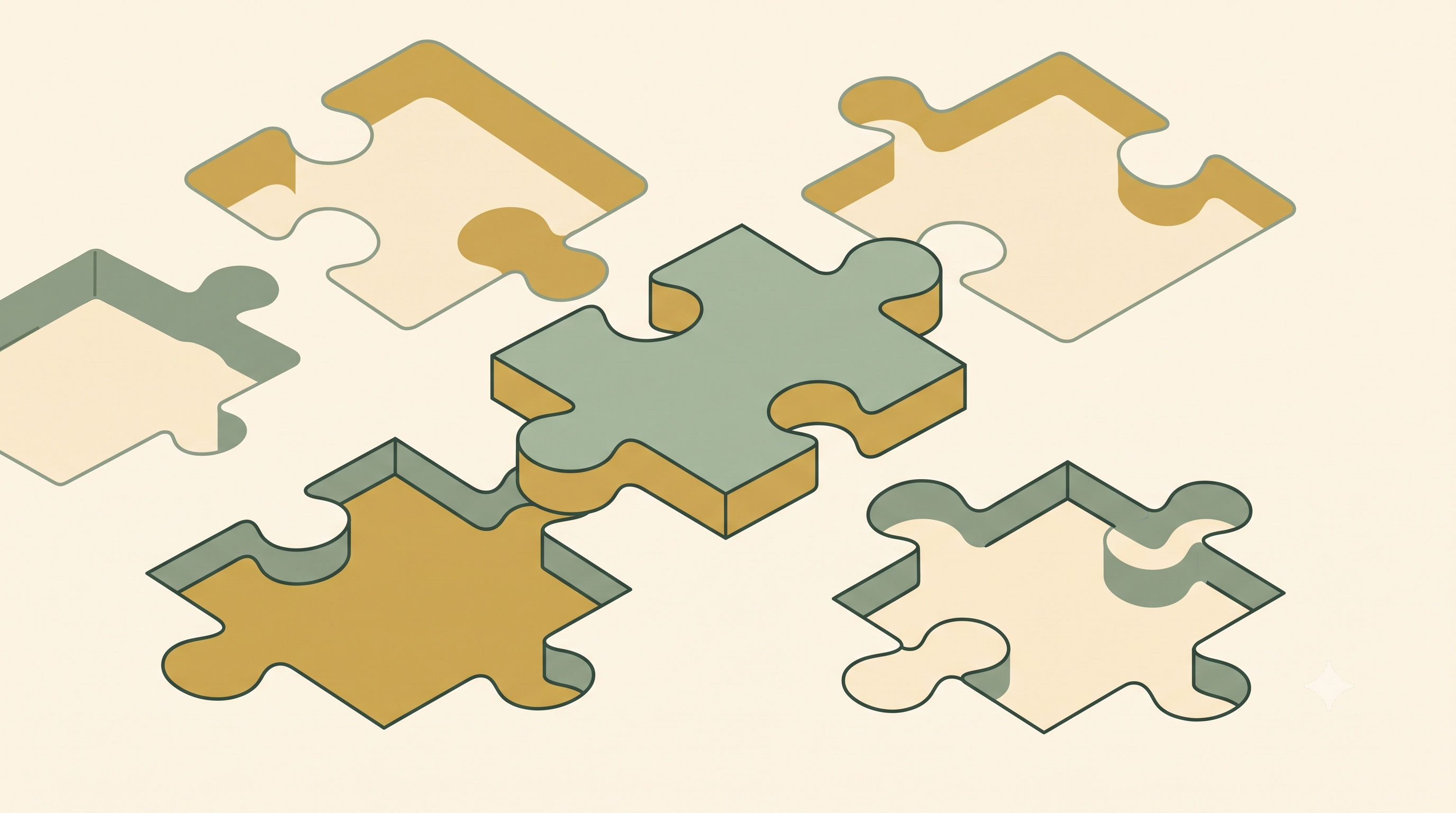
Conceptual illustration of a puzzle piece that fits only its own slot, representing near versus far transfer in brain training.
Jul 16, 2026

Do Brain Training Apps Actually Work?

brain trainingcognitive healthbrain healthmyth-busting

Brain training apps reliably make you better at brain training apps — and that's most of what the evidence supports. Practice a task and you improve at that task; this is called near transfer and it's well documented.

Warm illustration of a mist gently clearing from a bright landscape, representing menopause brain fog lifting.
Jul 09, 2026

Menopause and Brain Fog: What the Research Actually Shows

menopausewomen's brain healthcognitive healthbrain health

Menopause brain fog is real, measurable, and — for most women — temporary. Up to two-thirds of women report problems with memory, concentration, and word-finding during the menopause transition, and these changes can be detected on cognitive testing rather than existing only in self-report.

Warm conceptual illustration of separate points of light gently connecting, representing loneliness, connection, and brain health.
Jul 06, 2026

Loneliness and Cognitive Decline: The Connection We Can't Ignore

lonelinesssocial connectiondementia preventionbrain health

Loneliness is a brain-health risk factor, not just an emotional state. The largest analysis to date pooling more than 600,000 people across 21 long-term studies found that feeling lonely raises the risk of dementia by about 31%.

Calm conceptual illustration of sound and connection reaching a mind, representing the link between hearing loss and dementia.
Jul 02, 2026

Hearing Loss and Dementia: An Underrated Connection

hearing lossdementia preventionbrain healthaging well

Hearing loss is the single largest modifiable risk factor for dementia — and one of the most overlooked. Research links it to roughly 8% of dementia cases worldwide, more than any other single factor we can do something about.

Warm illustration of bright solstice light over a calm landscape, representing The Longest Day for Alzheimer's.
Jun 18, 2026

The Longest Day: Why the Solstice Became a Symbol in the Fight Against Alzheimer's

the longest dayAlzheimer's awarenessbrain healthadvocacy

The symbolism is deliberate and quietly powerful: on the brightest day of the year, families honor the long, difficult days that people living with Alzheimer's and their caregivers know so well, and answer them with light, community, and hope. It's less a campaign than a global act of solidarity.

Calm nighttime illustration of gentle light flowing through a resting mind, representing deep sleep and brain health.
Jun 10, 2026

Sleep and Dementia Risk: What the Evidence Shows

sleepdementia preventionbrain healthaging well

Poor sleep is linked to a higher risk of dementia, but "linked to" is doing important work in that sentence — the evidence is strong on association and genuinely unsettled on cause.

Warm illustration of a resilient interconnected network holding strong under pressure, representing cognitive reserve and brain resilience.
Jun 08, 2026

Cognitive Reserve: Why Some Brains Age Better Than Others

cognitive reservebrain healthcognitive healthaging wel

Cognitive reserve is the brain's ability to keep working well despite age, damage, or disease — the reason two people with nearly identical brain pathology can have very different symptoms, one showing clear decline and the other none at all. It isn't a fixed gift you're born with.

Calm conceptual illustration of a human profile formed from soft light, representing memory changes as we age.
Jun 03, 2026

What Really Happens to Memory as We Age — and What Doesn't

brain healthdementia preventionmemoryAlzheimer'scognitive healthaging well

Some memory change is a normal part of growing older, and some is not. Occasionally blanking on a name, walking into a room and forgetting why, or needing a beat longer to recall a word are ordinary features of a healthy aging brain.

Calm conceptual illustration of a gentle pattern emerging early from soft data, representing AI detecting dementia before symptoms appear.
Jul 27, 2025

Can AI Detect Dementia Before Symptoms Appear?

AI dementia detectionearly diagnosisbrain healthdementia

In research settings, yes — AI can already flag signs of future dementia years before symptoms appear, by spotting patterns in brain scans, retinal images, and even speech that humans can't reliably see.