Do Brain Training Apps Actually Work?
Brain training apps reliably make you better at brain training apps — and that's most of what the evidence supports. Practice a task and you improve at that task; this is called near transfer and it's well documented.
Brain training apps reliably make you better at brain training apps — and that's most of what the evidence supports. Practice a task and you improve at that task; this is called near transfer and it's well documented. The claim the industry depends on is far transfer: that training games improve general memory, reasoning, and everyday functioning. That evidence is weak, inconsistent, and in 2016 led the FTC to fine Lumosity's maker $2 million for claiming its games could stave off cognitive decline and Alzheimer's without adequate science. Brain training isn't a scam, exactly. It's just far less than what's been sold.
Here's how to read the field honestly.
Near transfer vs. far transfer — the distinction that explains everything
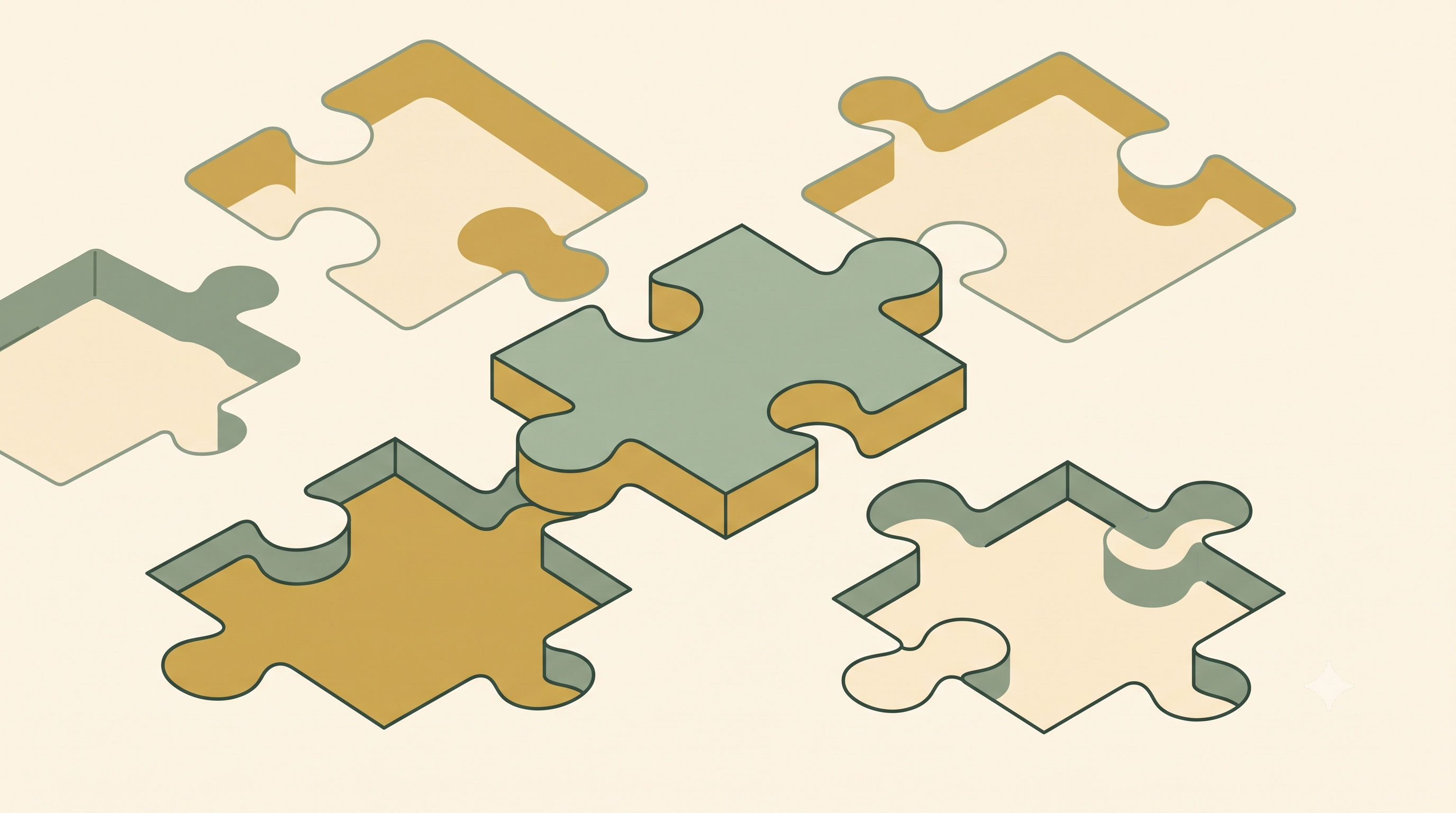
Almost all confusion in this space dissolves once you separate two claims.
Near transfer means improvement on the trained task and closely similar ones. If you drill a reaction-speed game for six weeks, your reaction speed on that game improves. This is reliable and essentially guaranteed with consistent practice — it's just how skill acquisition works.
Far transfer means those gains carrying over to different abilities and to real life: that memory games make you better at reasoning, following conversations, managing your finances, or resisting cognitive decline. This is the claim that would make brain training genuinely valuable — and it's the one that repeatedly fails to hold up. Recent meta-analyses of working memory training find near transfer but weak or absent far transfer to general intelligence. A 2016 review of over 370 studies by University of Illinois psychologists concluded there was little evidence that the games improved real-world performance.
There's a further wrinkle worth knowing: a 2022 meta-analysis across major programs found participants reported improved memory and attention — but most of those benefits disappeared when measured with objective tests rather than self-evaluation. Feeling sharper and being sharper are not the same thing, and brain training is quite good at producing the former.
What the FTC case actually established
In January 2016, the FTC settled with Lumos Labs for $2 million over deceptive advertising. The complaint was specific: Lumosity had claimed its games could stave off age-related cognitive decline and protect against mild cognitive impairment, dementia, and Alzheimer's — without competent and reliable scientific evidence.
It's worth being precise about what this did and didn't mean. The FTC didn't rule that brain training is fake or ban the category. It ruled that a company can't make health claims it can't substantiate. That distinction is the useful one for consumers: the problem was never that the games are worthless, but that they were marketed as medicine.
To Lumosity's credit, the company has since funded legitimate research, and a 2020 PNAS study found participants who trained for 10 weeks showed some improvement on untrained assessments versus a crossword-playing control. Post-settlement research is more credible than the old marketing — but evidence for meaningful real-world transfer remains modest.
Is any of it worth doing?
A fair reading gives credit where it's due. The most credible case for far transfer comes from specific, well-designed interventions rather than generic puzzle apps — notably the speed-of-processing training in the large ACTIVE trial, which showed more durable effects than typical commercial games. Some programs, particularly those with substantial published research behind them, have better evidence than the app-store average.
So the honest answer isn't "worthless." It's: modest, specific, and much smaller than advertised. A useful test for any brain-training claim is whether it names three things — a specific cognitive ability, a specific population, and a specific dose. A claim like "improves working memory in adults 65+ over ten sessions" is falsifiable. "Train your brain" is marketing.
And there's an opportunity cost worth naming. If the goal is brain health, the same twenty minutes spent on a game is likely better spent on things with stronger evidence: learning something genuinely new and difficult (which builds cognitive reserve), physical activity, meaningful social engagement, or protecting sleep. Those aren't as neatly gamified, but the evidence behind them is sturdier.
Do brain training apps work? They work at making you better at themselves. If you enjoy them, they're a pleasant, harmless habit — and enjoyment has its own value. Just don't buy them as insurance against dementia. That's the claim the science doesn't support, and the one that cost a company $2 million to stop making.
Frequently asked questions
- Do brain training apps improve memory?
- They reliably improve performance on the specific games you practice (near transfer). Evidence that this carries over to general memory or everyday functioning (far transfer) is weak and inconsistent, and self-reported improvements often disappear under objective testing.
- Can brain training prevent dementia?
- No — that claim isn't supported. In 2016 the FTC fined Lumosity's maker $2 million partly for advertising that its games could stave off cognitive decline, dementia, and Alzheimer's without adequate scientific evidence.
- What's better than brain training for brain health?
- Activities with stronger evidence: learning something genuinely new and difficult, regular physical activity, meaningful social connection, good sleep, and managing cardiovascular risk factors. These build cognitive reserve and support the brain through well-established pathways.